Cabin Safety Made Easy
  • Home
  • SHOP
  • Safety Blog
    • Aviation news
  • Manual
    • Plain language
    • Manual Content
    • Manual Topics
    • Evacuation commands
    • Announcements
    • Jumpseat briefing
    • ABP Briefing Card
  • Procedures
      • Abnormal situations introduction
      • Aircraft accident
      • Door failure in flight
      • Decompression
      • Engine fire or failure
      • Evacuation unplanned
      • Fumes
      • Incapacitated crewmember
      • Inoperative equipment
      • Landing gear – not locked
      • Landing – belly landing
      • Landing – nose gear retracted
      • Landing – one gear retracted
      • Medical emergencies
      • Missed approach
      • Oxygen use
      • Rejected takeoff
      • Turbulence
      • Other situations
  • Instructor Corner
    • Qualify as an instructor
  • Resources
    • Cabin Safety Conferences
    • Forms & Downloads
    • Recordkeeping
    • Training Videos
    • Courseware
      • Aircraft doors
      • Aircraft orientation
      • Duty time regulations
      • Phonetic Alphabet
      • Sterile cockpit
      • The 24 Hour Clock
      • Time Zones
      • Turbulence course
      • Weather conditions
    • Human trafficking
      • Anti-Slavery International
      • DHS ICE Human Trafficking
      • Human Trafficking Hotline
      • Polaris Project
      • Training Resources
      • Training Videos
    • FAA Regulations and Other Agencies
    • International Resources
    • Cabin Air Quality
  • Photos
  • About
    • About Donald Wecklein
    • Contact Us
  • Click to open the search input field Click to open the search input field Search
  • Menu Menu

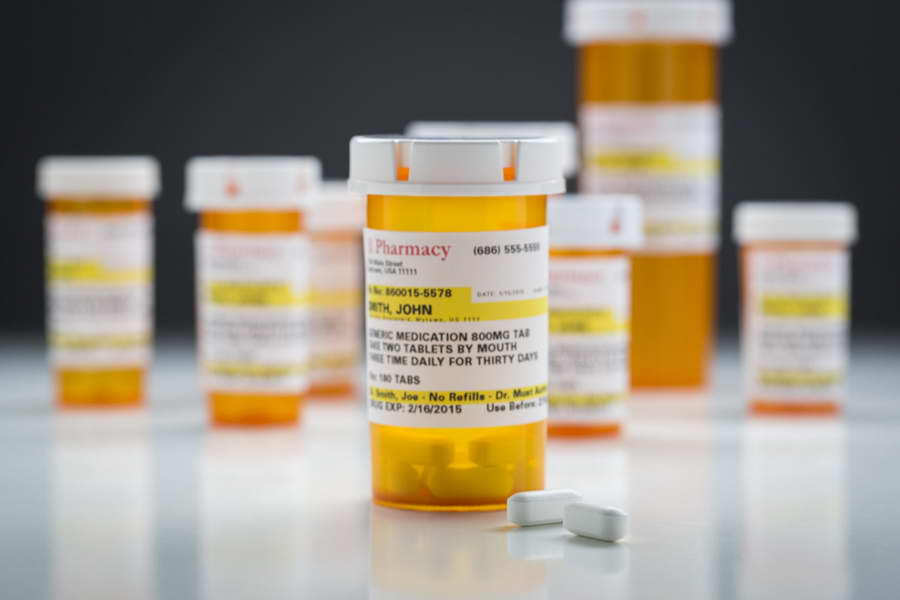
    Working as a crewmember taking medication
    Manual

    Is there a way for me to find out whether over the counter medication or prescription medication I’m taking is permitted or prohibited when working as a crewmember?

    With regard to FAA regulation and guidance, I will break it into three separate response points, as ONE is regulatory, TWO is an Advisory Circular used for reference, and THREE, an unofficial medicine list produced by the aviation community to help end-users of medication determine whether the medicine may be usable or not while working as a crewmember.

    One ‐ the regulation: 14 CFR 91.17 Alcohol or Drugs

    The key extract from 91.17. Note that (a)(3), and (d) and (e) helps answer concerns about whether medication can be taken.

    (a) No person may act or attempt to act as a crewmember of a civil aircraft—

    (1) Within 8 hours after the consumption of any alcoholic beverage;

    (2) While under the influence of alcohol;

    (3) While using any drug that affects the person’s faculties in any way contrary to safety; or

    (d) Whenever the Administrator has a reasonable basis to believe that a person may have violated paragraph (a)(3) of this section, that person shall, upon request by the Administrator, furnish the Administrator, or authorize any clinic, hospital, doctor, or other person to release to the Administrator, the results of each test taken within 4 hours after acting or attempting to act as a crewmember that indicates the presence of any drugs in the body.

    (e) Any test information obtained by the Administrator under paragraph (c) or (d) of this section may be evaluated in determining a person’s qualifications for any airman certificate or possible violations of this chapter and may be used as evidence in any legal proceeding under section 602, 609, or 901 of the Federal Aviation Act of 1958.

    Two ‐ Advisory Circular: Advisory Circular 91.11‐1 Guide to Drug Hazards in Aviation Medicine.

    It’s very long yet is an excellent reference tool. You may need to know the technical name of the medicine as it may not necessarily have the brand name listed. For example, Advil (brand name) but the database needs to see ibuprofen (technical name).

    Three ‐ unofficial list of medicines:

    These websites may be a useful resource for you to determine whether you are fit to fly based upon the information they provide. I provide three resources for you to review.

    AOPA – Medical Resources

    Leftseat.com FAA Accepted Medicines

    Aviationmedicine.com

    However, for those that live in the United States, you can call the FAA Aerospace Medical Certification Division at 405‐954‐4821 to ask your medicine question or any other medicine interaction questions you may have. They have a current database of medications and they can run a check for you, and best of all, there’s no charge for their service. Here’s the FAA Aerospace Medical Certification website.

    Post Views: 812
    July 22, 2026/0 Comments/by Donald Wecklein
    Tags: fit to fly, medication
    Share this entry
    • Share on Facebook
    • Share on WhatsApp
    • Share on LinkedIn
    • Share by Mail
    http://cabinsafetyinfo.com/wp-content/uploads/2020/08/Cabin-Safety-Info-FA-Meds.jpg 600 900 Donald Wecklein http://cabinsafetyinfo.com/wp-content/uploads/2022/03/Clear-IMage-300x65.png Donald Wecklein2026-07-22 04:49:102026-09-07 13:45:14Working as a crewmember taking medication
    You might also like
    Medication in carryon baggage Medication in carryon baggage gate-checked
    0 replies

    Leave a Reply

    Want to join the discussion?
    Feel free to contribute!

    Leave a Reply Cancel reply

    You must be logged in to post a comment.

    Search Search

    Categories

    • Best practices
    • Equipment
    • Hazmat
    • Manual
    • Operations
    • Regulations
    • Training

    Archives

    • September 2026
    • August 2026
    • July 2026
    • May 2026
    • January 2026
    Link to: Do I need to train flight attendants on flight deck emergency equipment? Link to: Do I need to train flight attendants on flight deck emergency equipment? Do I need to train flight attendants on flight deck emergency equipment? Link to: Minimum height to be a flight attendant Link to: Minimum height to be a flight attendant Minimum height to be a flight attendant
    Scroll to top Scroll to top Scroll to top